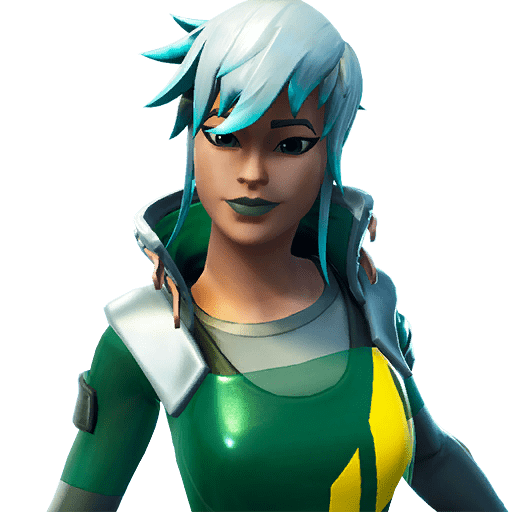
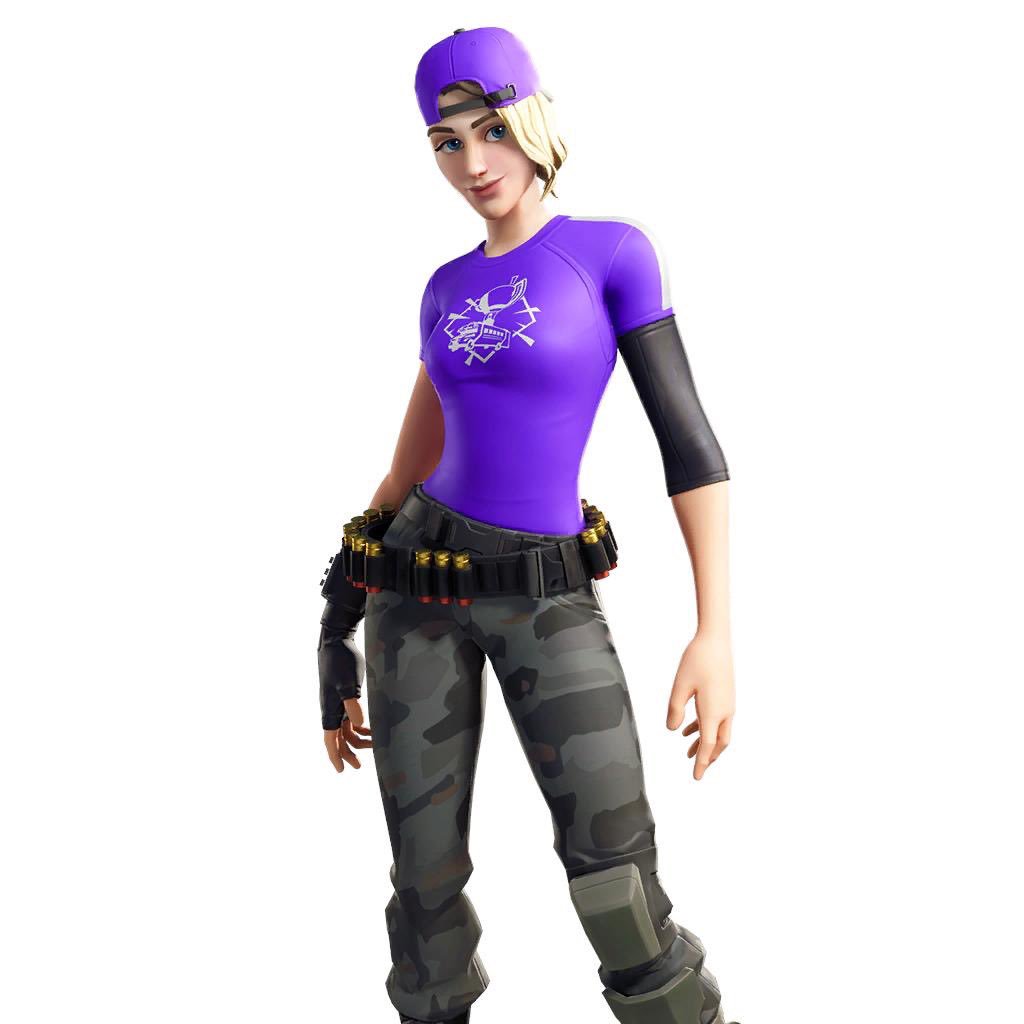
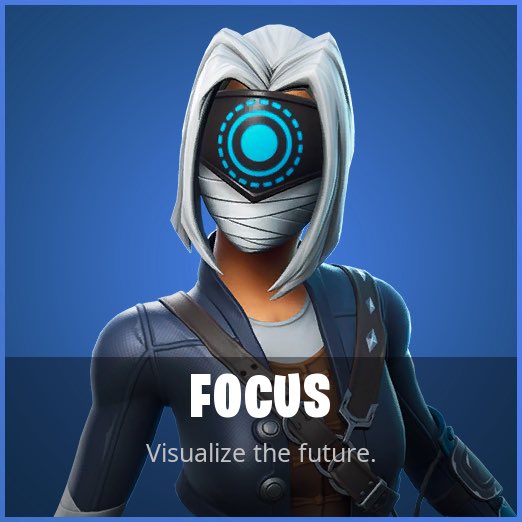
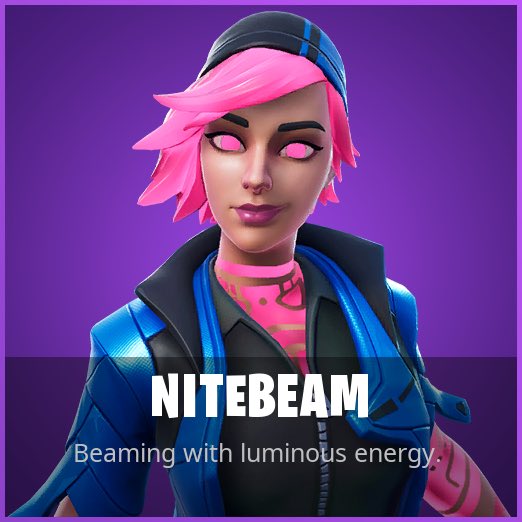
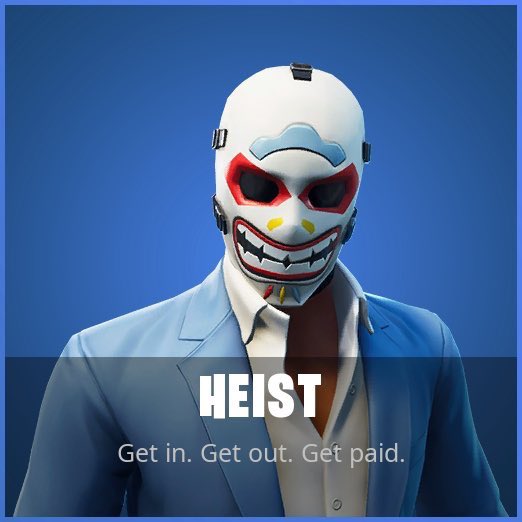
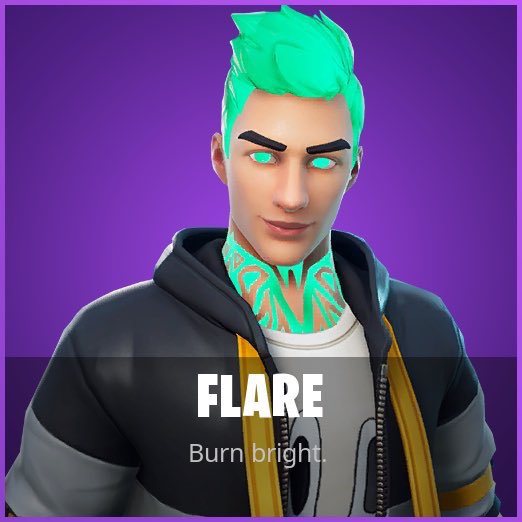
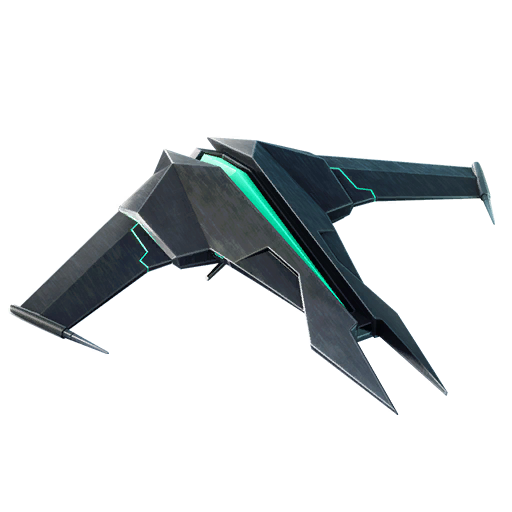
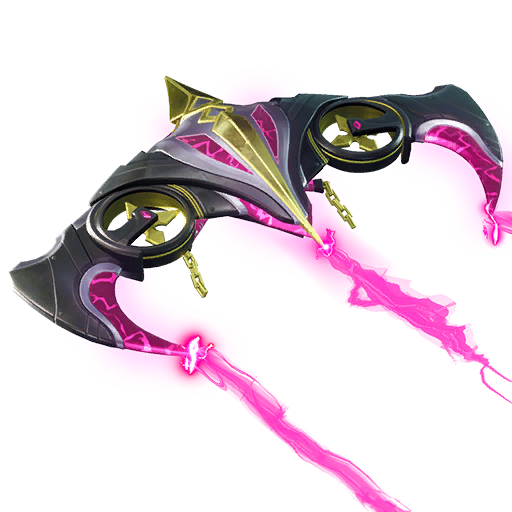
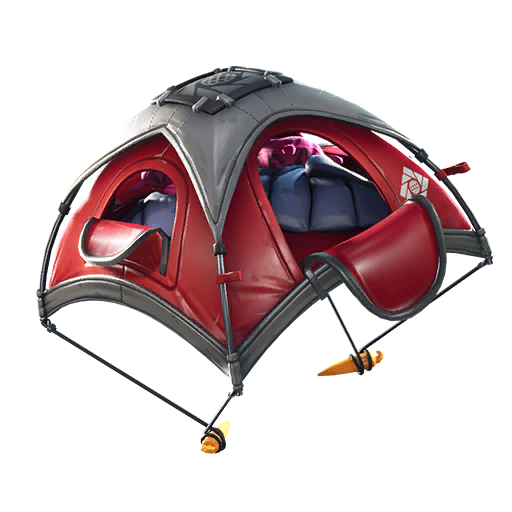
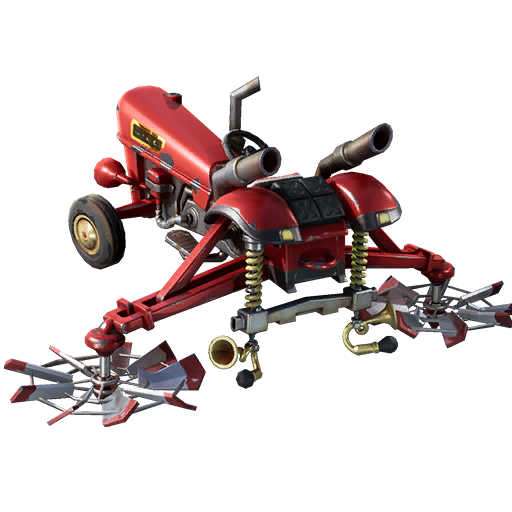
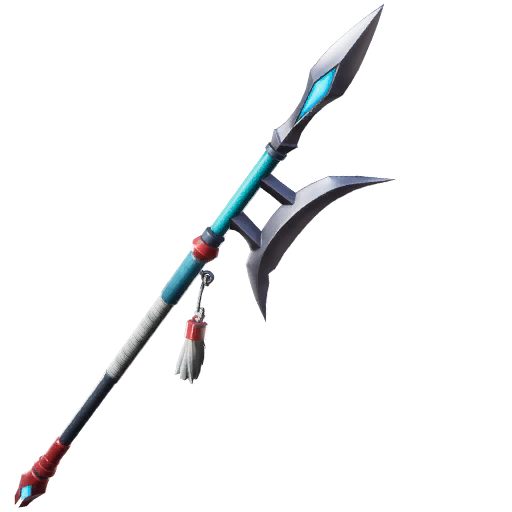
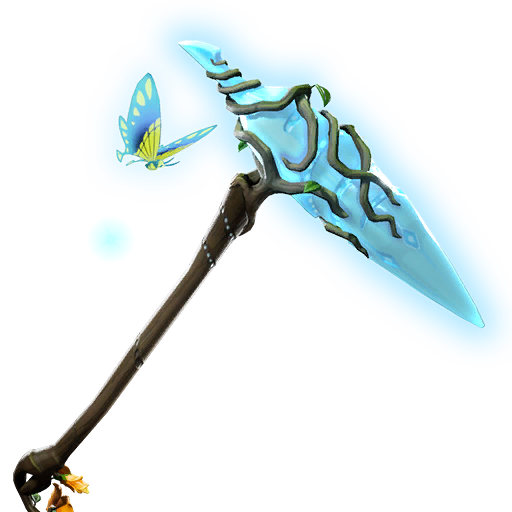
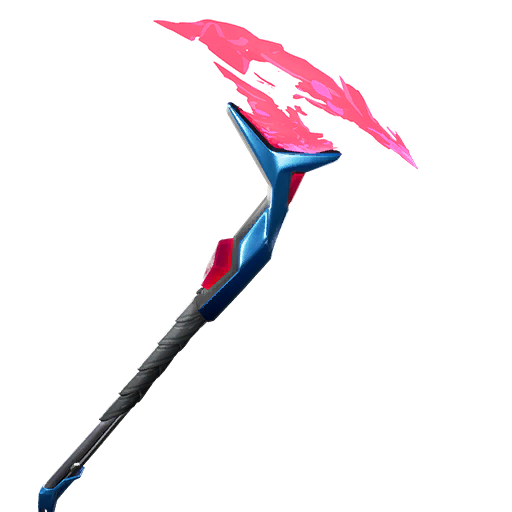
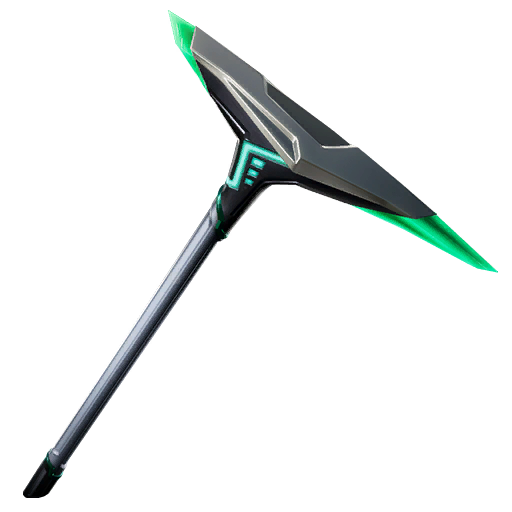
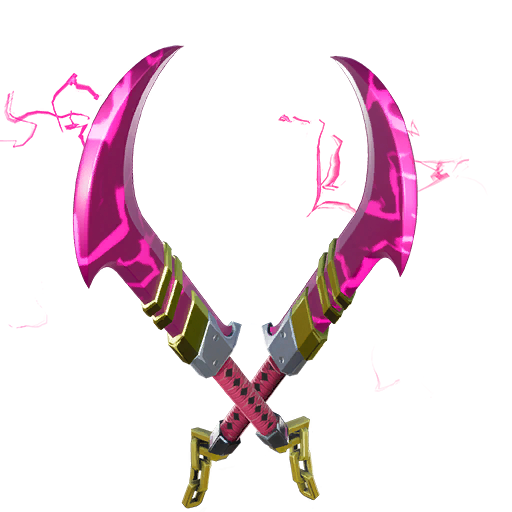
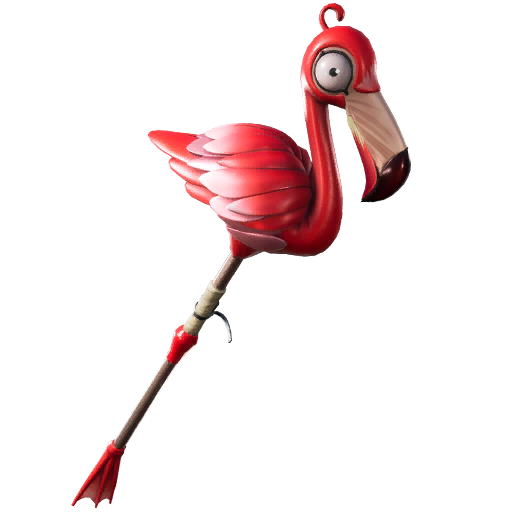
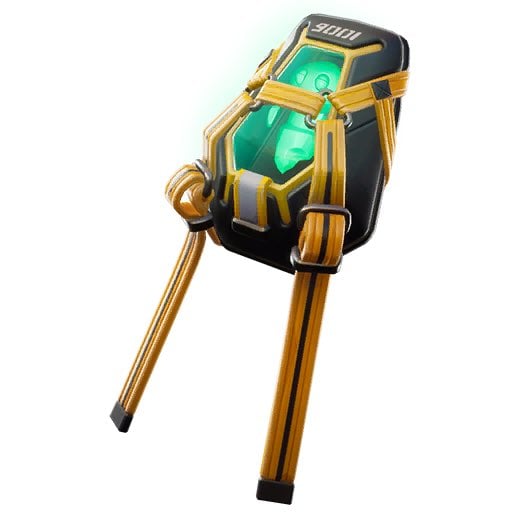
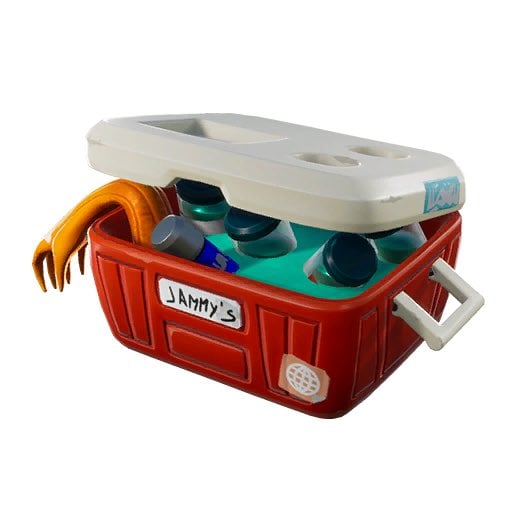
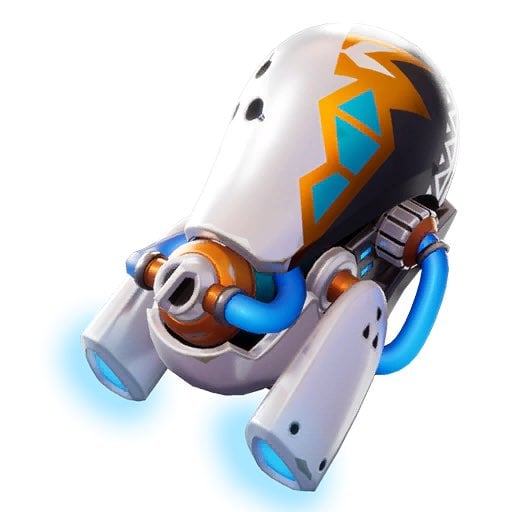
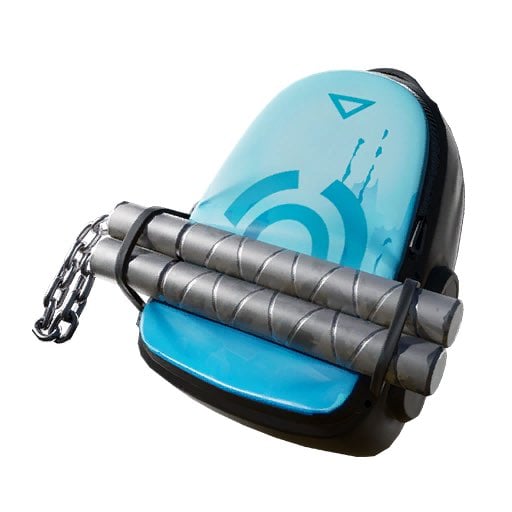
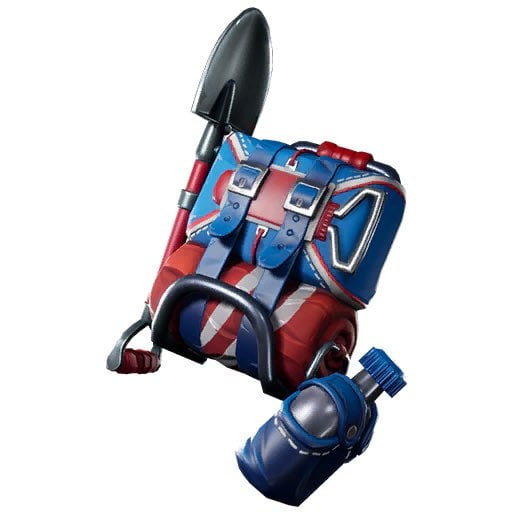
The v9.30 Fortnite update is now available to download and data-miners have managed to leak the following Fortnite skins and other cosmetics that were added to the game in this update.
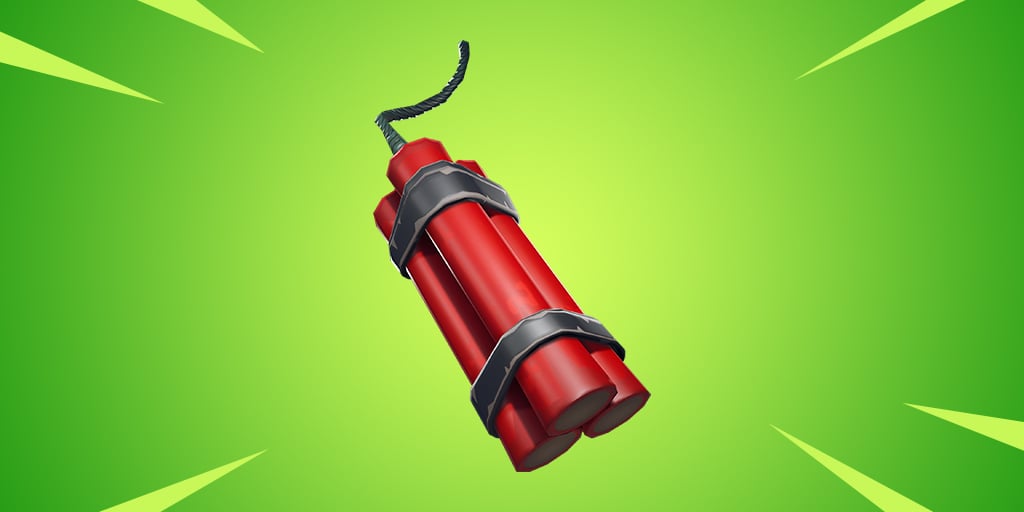
Epic Games update Fortnite on a weekly basis and the v9.30 update has taken place today and is available to download. In this update, there is a new item that has been added called the Chug Splash and there were three items that were vaulted, the Boom Bow, Dual Pistols and Dynamites. You can read the full v9.30 Patch Notes here.
Fortnite Item – Dynamite
As with every update that requires downtime, there are new files that are added, and some of the files added are Fortnite skins and other cosmetics that will be released in the future. Data-miners have been busy looking through all the files that have been added and have managed to leak the following cosmetics.
Leaked Fortnite Skins, Back Blings, Gliders, Pickaes and Contrail From v9.30
These cosmetics will be released in the Item Shop in the upcoming weeks but there is no way of knowing when they will be released. There are many files that have also been encrypted by Epic in this patch, meaning data-miners are not able to leak them and so will remain a mystery until they are released.
We will be posting an article for all names and rarities of all cosmetics that have been leaked in the update once they have been confirmed as well as full images for all leaked skins.
With major players like Microsoft, Sony, and Google invested in game-streaming technologies, it could be the next big evolution for gaming. Now, a Nintendo executive has commented on the possibility of the Mario company getting involved.
Nintendo of America executive Charlie Scibetta told TechCrunch at E3 2019 that streaming is "certainly interesting technology." He added that Nintendo is monitoring the technology, going on to say that for now at least Nintendo is focusing on physical game sales and sales through the Nintendo eShop.
"Streaming is certainly interesting technology," he explained. "Nintendo is keeping a close eye on it and we're evaluating it. We don't have anything to announce right now in terms of adopting that technology. For us, it's still physical and it’s digital downloads through our eShop."
Another executive, marketing boss Doug Bowser (yes, that is his real name), told The Hollywood Reporter that "it's always interesting to see what others are doing in the space" as it relates to streaming.
"We're always interested in how various new technologies can enable different ways to play games," he said.
While Nintendo might not have a streaming service of its own, the company does operate a subscription service in the form of the Nintendo Switch Online membership program.
This morning a Samsung customer support account tweeted an odd warning that, to prevent malicious software attacks on your smart TV, you should scan it for viruses every few weeks. It even included an instructional video to help you do so. The tweet, first spotted by The Verge, was short lived. Samsung has since removed it, but it existed long enough to raise a few red flags.
At a time when most people neglect to scan their laptops and cellphones, asking customers to scan their TVs every few weeks seems like a stretch. It's a bit troublesome to think our smart TVs might be so vulnerable they need such frequent updates and that Samsung would place that responsibility on users, rather than running automatic scans.
As Gizmodo points out, the warning seems specific to the QLED lineup. It's unclear if the tweet was written in response to a specific threat or virus, though. This isn't the first time Samsung has invoked fear over its smart TVs. In 2015, customers panicked over the phrasing of the company's smart TV privacy policy, which made it sound like the TVs could eavesdrop on users. Samsung denied the possibility, but hackers have exploited smart TVs and other smart home gadgets. As we fill our homes with more connected devices, we have to accept that they each come with vulnerabilities, and we may be forced to run more virus scans than we'd like.
Engadget has reached out to Samsung for more details.
This morning a Samsung customer support account tweeted an odd warning that, to prevent malicious software attacks on your smart TV, you should scan it for viruses every few weeks. It even included an instructional video to help you do so. The tweet, first spotted by The Verge, was short lived. Samsung has since removed it, but it existed long enough to raise a few red flags.
At a time when most people neglect to scan their laptops and cellphones, asking customers to scan their TVs every few weeks seems like a stretch. It's a bit troublesome to think our smart TVs might be so vulnerable they need such frequent updates and that Samsung would place that responsibility on users, rather than running automatic scans.
As Gizmodo points out, the warning seems specific to the QLED lineup. It's unclear if the tweet was written in response to a specific threat or virus, though. This isn't the first time Samsung has invoked fear over its smart TVs. In 2015, customers panicked over the phrasing of the company's smart TV privacy policy, which made it sound like the TVs could eavesdrop on users. Samsung denied the possibility, but hackers have exploited smart TVs and other smart home gadgets. As we fill our homes with more connected devices, we have to accept that they each come with vulnerabilities, and we may be forced to run more virus scans than we'd like.
Engadget has reached out to Samsung for more details.
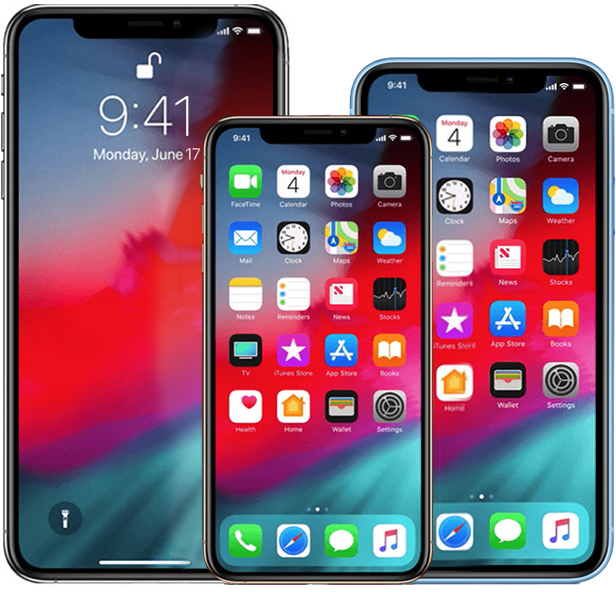
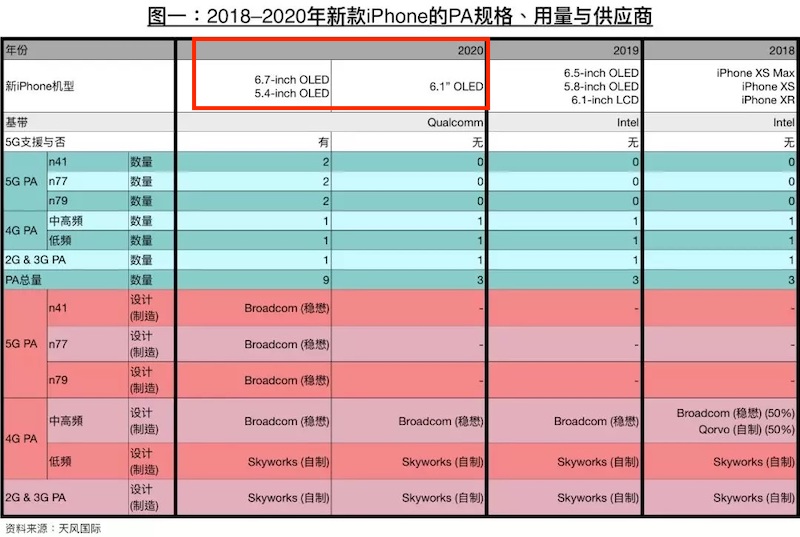
Apple plans to release three new iPhones in the second half of 2020, including high-end 5.4-inch and 6.7-inch models with OLED displays and a lower-end 6.1-inch model with an OLED display, according to analyst Ming-Chi Kuo. Those display sizes line up with a DigiTimes report from a few months ago.
In a research note shared with Taiwanese media outlets today, Kuo said the 5.4-inch and 6.7-inch models will support 5G, while the 6.1-inch model will support up to LTE. Qualcomm is still expected to be Apple's primary supplier of 5G modems, complemented by Samsung, with RF power amplifiers supplied by Broadcom.
Kuo believes that all new iPhones will support 5G starting in 2021. He also believes that Apple will have its own 5G modem ready by 2022 to 2023, which should reduce its dependance on Qualcomm and Samsung.
The new 5.4-inch and 6.7-inch sizes suggest that Apple may be planning to shrink the size of the current 5.8-inch iPhone XS, a move that fans of smaller phones would certainly appreciate, while increasing the size of the current 6.5-inch iPhone XS Max. The iPhone XR would remain a 6.1-inch device.
Kuo usually provides English translations of his research notes after a short period. We'll update if there are any additional details to add.
Microsoft's pirate-themed action-adventure game, Sea of Thieves, launched last year.
Microsoft
When Craig Duncan and his team at Microsoft's Rare video game studio were dreaming up their next big game, they imagined a world where people and their friends create their own stories as they play.
"It's your mark on the world," Duncan said. "The core vision of it is players going on adventures together."
That idea morphed into Sea of Thieves, a cartoonish, tongue-in-cheek pirate game, in which players travel oceans together in boats, exploring underwater ruins and searching around islands dotted throughout the world. "It can be a genuinely magical experience," he said. "It can give you an experience that's unlike any other."
Sea of Thieves is part of a new genre of video games designed to entice people into living worlds meant to be played for hours on end. Inside the industry, they're called "games as a service" or "live service games." But to everyone else, they're a chance to play a favorite game to their heart's content.
World of Warcraft is one of the most popular games ever made. It launched in 2004.
Screenshot by CNET
This idea is far from new. Adventure games like 1999's EverQuest and 2004's World of Warcraft became cultural phenomena, attracting millions of people who not only played the games but also bought related books and merchandise for decades. Millions even went to see a feature-length film, appropriately called Warcraft, in 2016.
But in the last couple years, more companies have created their own takes on the genre. Many were on display at the E3 Electronic Entertainment Expo last week.
Bethesda Softworks has The Elder Scrolls Online fantasy epic and Fallout 76 post-apocalyptic survival game. Electronic Arts launched its Anthem adventure game earlier this year. Bungie, maker of the industry-defining Halo series of games, now offers a space battle epic called Destiny. And Epic's Fortnite battle royale last-man-standing game has itself become one of the most popular in the industry.
"There's clearly a group of people -- and I would go so far as to say it is a large group of people -- who are very much into investing in something they can invest in and get what they want out of it," said Pete Hines, head of marketing at Bethesda. "They get back fun, entertainment, social connections, a feeling of progression and whatever else they're looking for."
Now playing:Watch this:
Our E3 breakdown: Microsoft's Project Scarlett looks...
4:22
It's not all happiness and roses, though. Companies say that as they've entered the genre over the past few years, they've learned these games are harder to create and maintain than they'd expected. The pressure to keep fans happy with new stories and experiences, while also finding ways to pay for the teams and technology that powers them, has led to trouble.
"The industry is getting worse in a lot of ways, they're getting more predatory and more exploitative," said Steven Williams, a longtime gaming commentator whose YouTube channel, Boogie2988, has more than 4.5 million subscribers.
He and many other commentators say companies aren't thinking enough of gamers or employees when creating these titles. They're asking too much money for extra experiences, storylines and items, while giving back too little, he said. Stories of employees working seemingly nonstop to satisfy gamers' expectations has also worried him.
And many of these gamers say new business models go over the line. One in particular, known as microtransactions, asks players to pony up real money on top of the original cost of the game to pay for extra designs for characters and weapons.
"We've got $60 games with $120 special editions, and microtransactions too," Williams said. "It's the nightmare scenario we were all warning about and now we're there."
Red Dead Redemption 2 was critically acclaimed at release. But Red Dead Online was criticized initially.
CNET / Rockstar Games
Game makers counter they're learning as they go and frequently end up apologizing and attempting to make good with their community when they screw up. But they also say they're trying to answer players' wants to create game worlds they can explore for longer periods of time with their friends.
"We're trying to figure out what will engage and captivate," said Strauss Zelnick, head of Take-Two Interactive Software, which offers online additions to 2013's Grand Theft Auto V and last year's Red Dead Redemption 2 cowboy game. (Zelnick is also interim chairman of CBS, which owns CNET.)
Zelnick said his teams try to offer "more value than we charge," he said, even if it doesn't always come across that way.
"You don't want players to say, 'I really, really love the game, but...'" he said. "You want them come back and say, 'I really, really love the game and sure, I had to pay for it, but it's appropriate to pay for great experiences.'"
The Elder Scrolls Online has adopted an TV series approach to new storylines in order to keep people coming back.
Meanwhile, developers are figuring out how best to make this new breed of live-service games too. And as more of them are made, another problem is that there are so many on the market, it's hard to decide which one to play.
"This space is so new," said Matt Firor, game director for The Elder Scrolls Online. So his team has designed the game to be more welcoming to people who only play once in a while. For example, people who haven't advanced far in the story can still play alongside dedicated players who've done nearly everything they can.
"Most of my friends have a main game they play," said Sam Kirkendoll, 29, who works in fundraising for a university in the Dallas-Fort Worth area. He's been playing World of Warcraft since 2007, but he said other friends dabble, leave and then come back.
Firor, of The Elder Scrolls, learned that what brings back those dabblers are big updates with lots of new stuff to do. So his team has started hyping big launches of new stories much the same way TV producers market new seasons for their shows.
Rovio has found that tweaking and adding to Angry Birds has kept people playing for years.
Rovio
"You just need to keep innovating and bring new type of experiences," said Kati Levoranta, CEO of Rovio, maker of the hit Angry Birds mobile game. The company's tweaks and new things to do haven't just enticed existing players back, she said, they've brought new ones in too. As a result, the number of people who have played Angry Birds 2 every day has continued to increase, despite it being four years old.
"We know the world where we live today is quite fast-paced, and there are new things coming along all the time," she said. "So you need to keep yourself fresh and relevant."
Keeping them happy
Game makers said one key to making it all work is giving players a way to offer feedback and then responding with tweaks as they go.
"You learn over time, because you always have the community giving you feedback," said Yves Guillemot, CEO of Ubisoft, which makes The Division 2 post-apocalyptic paramilitary thriller and Tom Clancy's Rainbow Six Siege strategy game. "We can learn what they want and adapt content to what they need."
Rare's Duncan released the game's biggest changes in April, a year after its initial launch. The update included storylines called Tall Tales, which were developed with the help of dedicated players who tested the changes and gave feedback. The company also put out regular videos to the community to keep them apprised of how development was going, up to its launch.
"Sea of Thieves today wouldn't be the game it is without the journey we've been on in the last year," he said.