Selasa, 28 Mei 2019

Dell Updates Alienware m15 & m17 Gaming Laptops: New Chassis, New Processors, & Optional OLED Display - AnandTech

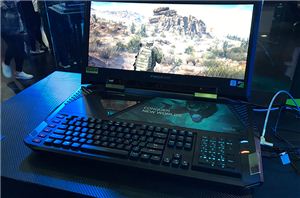
Built to strike a balance between performance, style and compact sizes, Dell’s Alienware m-series of gaming laptops were originally introduced last fall, and seem to have quickly risen in popularity. At this year's Computex trade show, Dell is rolling out redesigned Alienware 15-inch m15 and 17-inch m17 laptops, which feature higher-performance components, better displays – including an optional OLED panel – new storage options, and other improvements.

Though designed for slightly different usage models, the all new Alienware m15 and m17 gaming laptops have a lot in common when it comes to their external design as well as internal components. Both systems are based on Intel’s 9th Gen Core mobile processors (up to Core i9-9980HK) as well as NVIDIA’s GeForce GPUs with Max-Q design (up to GeForce RTX 2080). To maximize the performance of the new notebooks and ensure their powerful, power-hungry processors are well-fed, Dell’s Alienware division has equipped the machines with a 6-phase digital VRM for the CPU, as well as a separate 8-phase digital VRM setup just for the GPU. The PC maker is touting its new VRMs as ‘hyper efficient’.
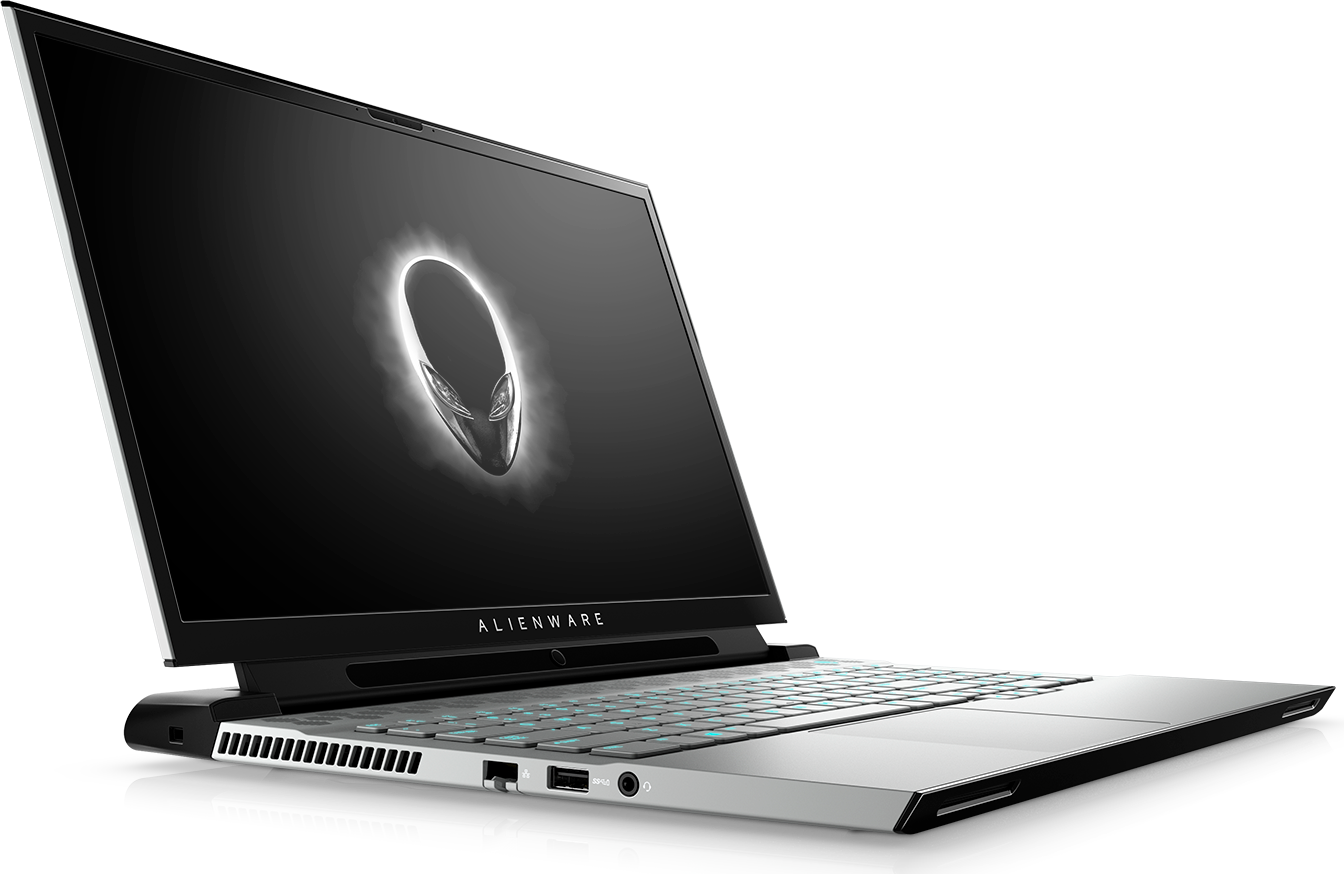
Meanwhile, the key components of the Alienware m15 and the Alienware m17 are being cooled by an all-new cooling system for Alienware, which features thick copper and zinc alloy heatpipes, new fans, as well as massive air intake and air exhaust openings. To a large degree, the design of the new laptops is determined by the cooling system. In any case, the new PCs look very futuristic, and are a notable departure from Alienware's previous m15 design.
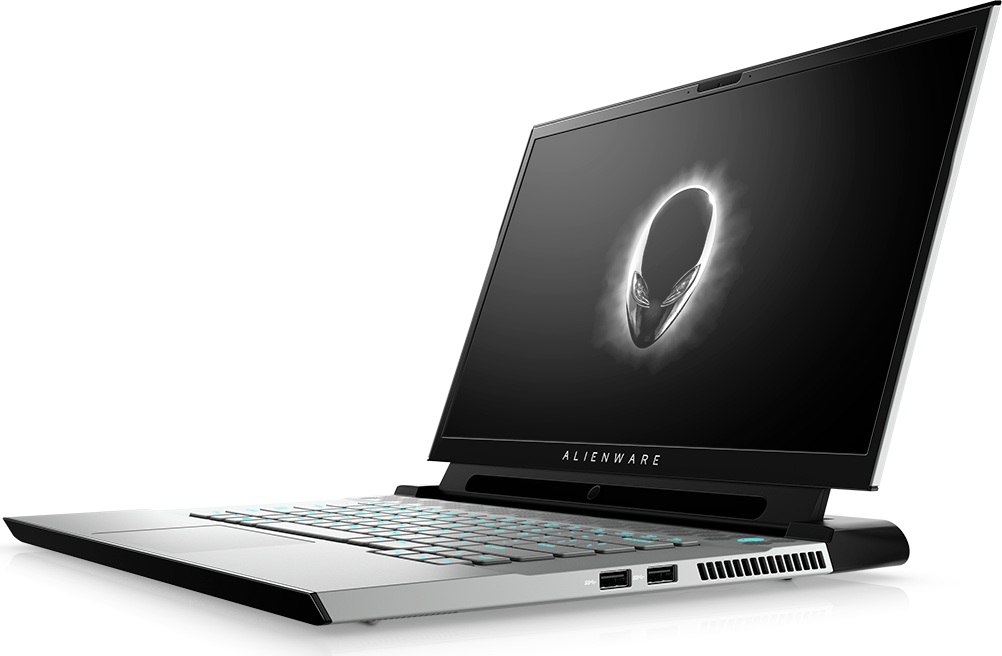
Apart from the new revamped internals, the new Alienware m15 in particular can also be equipped with a rather wide selection of different display panels: along with the default 60 Hz Full-HD panel, the manufacturer offers a 4K OLED option (with DCI-P3 and HDR400), or a Full-HD IPS panel with a 240 Hz refresh rate. Meanwhile, the m17 only comes with Full-HD LCD options – so no 4K or OLED – but buyers can choose between 60 Hz and 144 Hz panels. Both machines, however, now also feature Tobii's eye tracking technology.
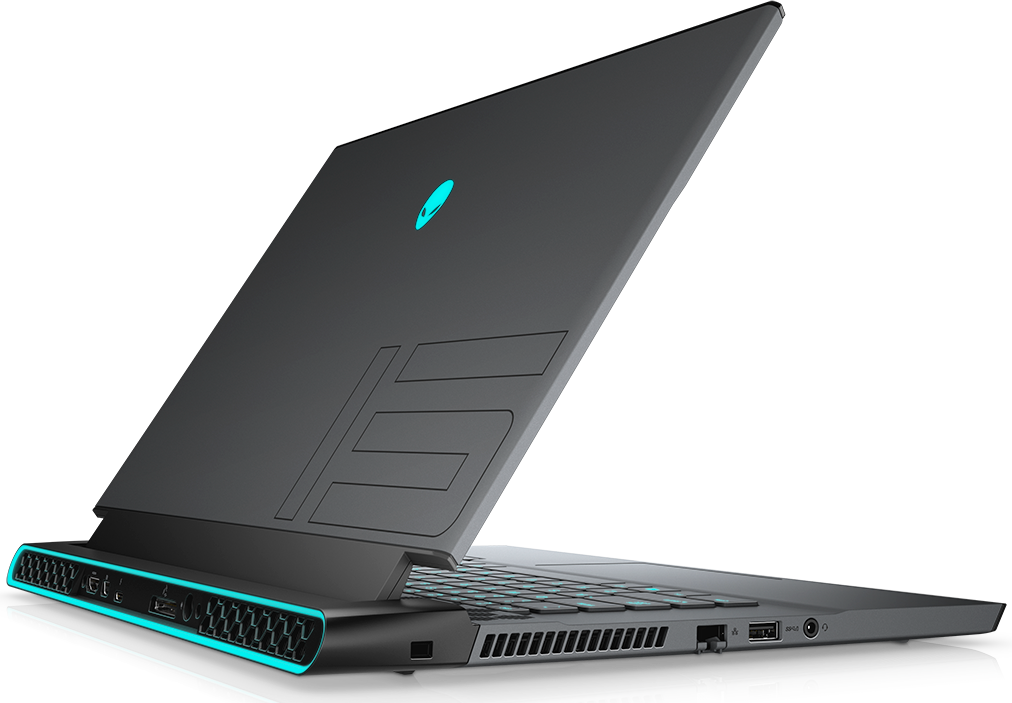
As far as DRAM and storage is concerned, the new Alienware m15 and Alienware m17 laptops can pack up to 16 GB of DDR4-2666 memory as well as up to 4 TB of NVMe storage (with dual drive options). In addition, the latest gaming laptops from Dell’s Alienware will feature 1 Gigabit or 2.5 Gigabit Ethernet by Killer, 802.11ac Wi-Fi with Bluetooth 4.2, Thunderbolt 3, USB 3.1 Gen 1, HDMI 2.0b, mDP, and a 3.5-mm connector for headsets. Interestingly, both 15.6-inch and 17.3-inch laptops will come with identical capacity 76 Wh batteries.

Dell plans to make its new Alienware m15 and Alienware m17 gaming notebooks available on June 11, with prices starting from $1,499. The entry-level models will feature a quad-core processor as well as NVIDIA’s GeForce GTX 1650 graphics, with prices and performance going up from there.
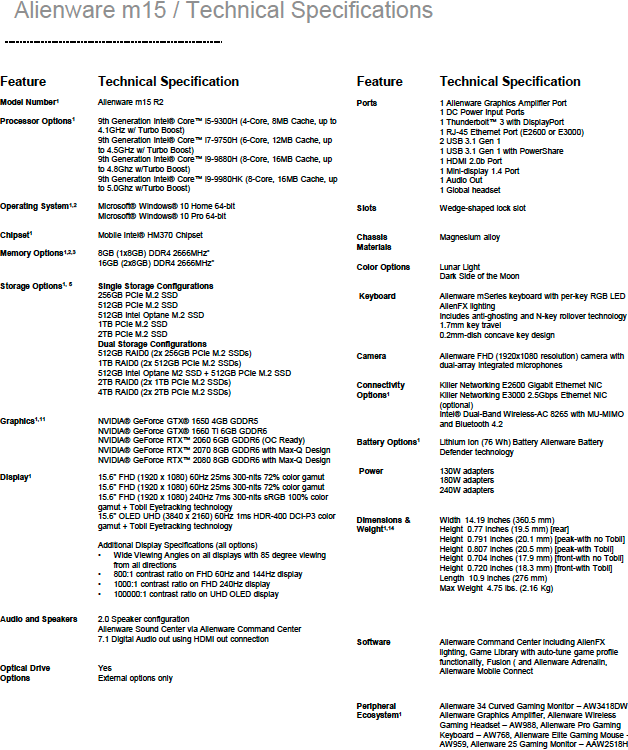
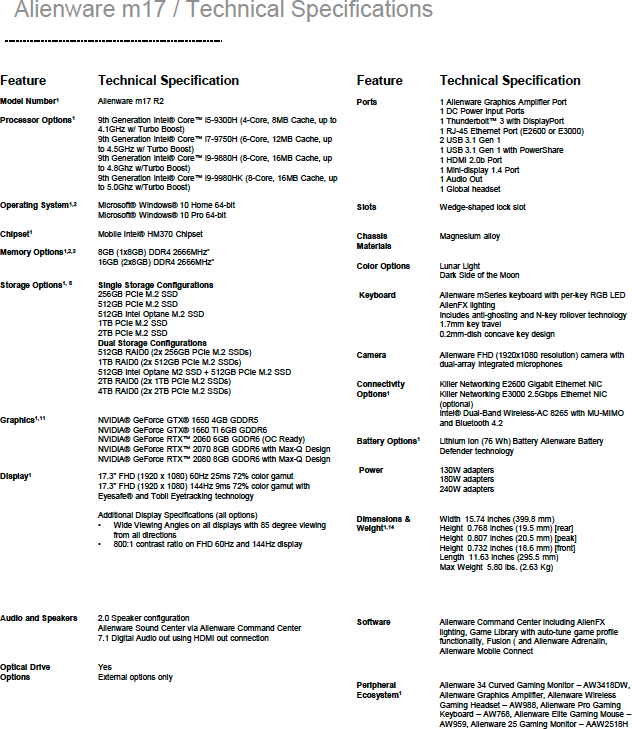
   

Source: Dell’s Press Release

Want to keep up to date with all of our Computex 2019 Coverage?
 
Laptops
 
Hardware
 
Chips
 
Follow AnandTech's breaking news here!

Let's block ads! (Why?)


https://www.anandtech.com/show/14427/dells-new-alienware-m15-m17-8core-cpus-240-hz-lcd-oled-option

2019-05-28 08:25:07Z
52780304831410

When Ice Matters: Dell Announces XPS 13 2-in-1 with Ice Lake-U - AnandTech

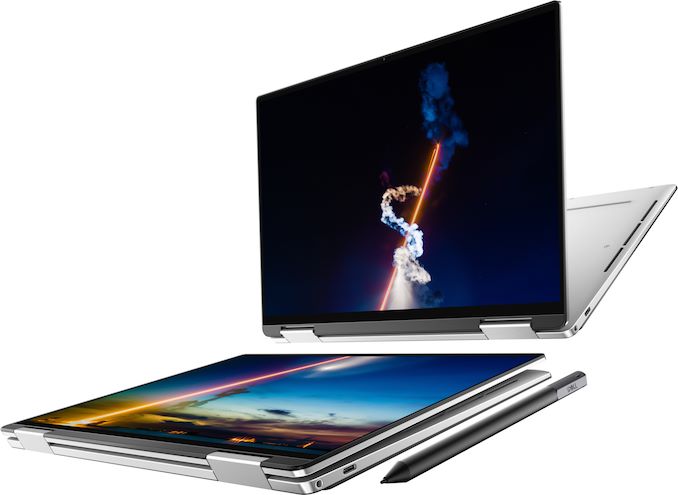
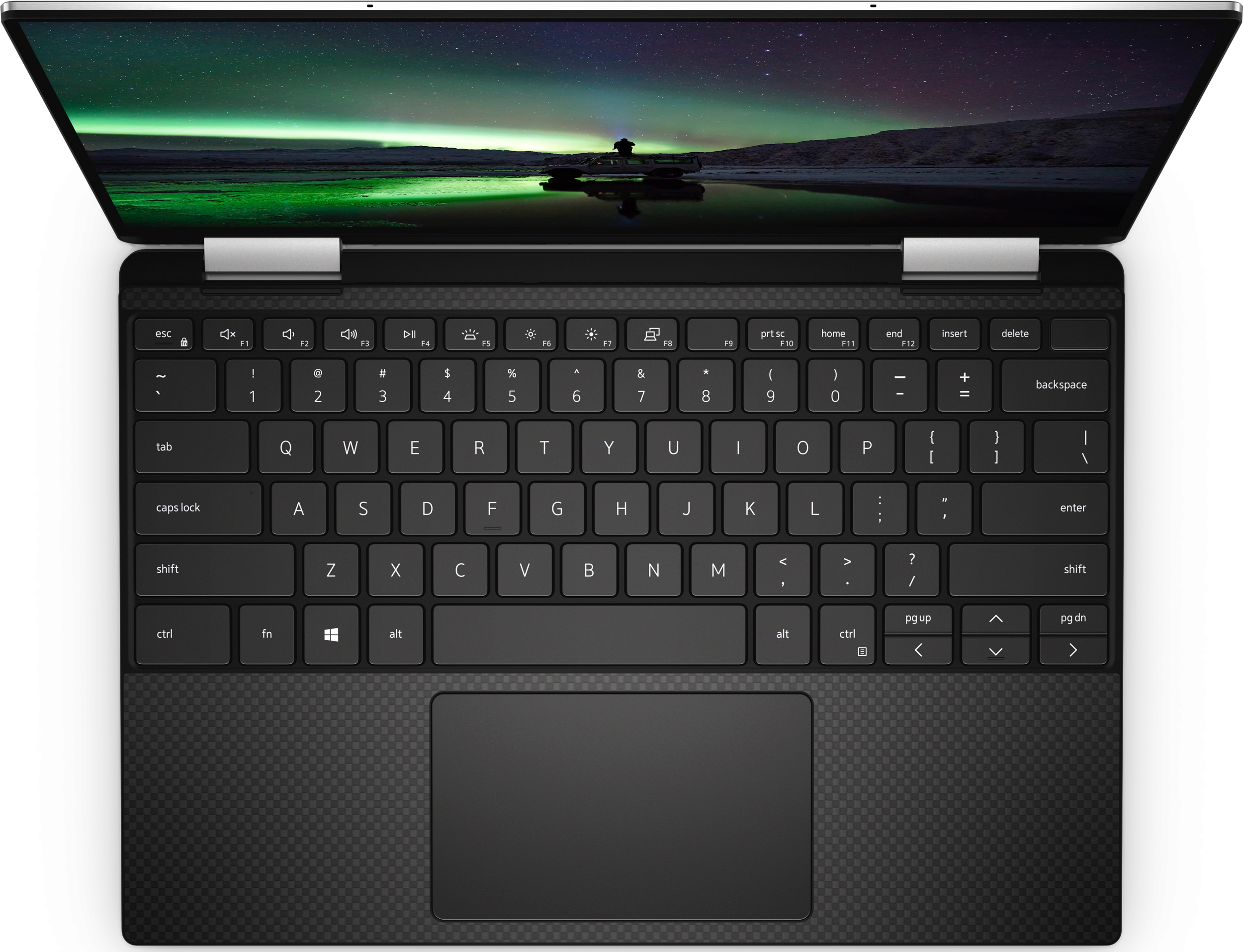
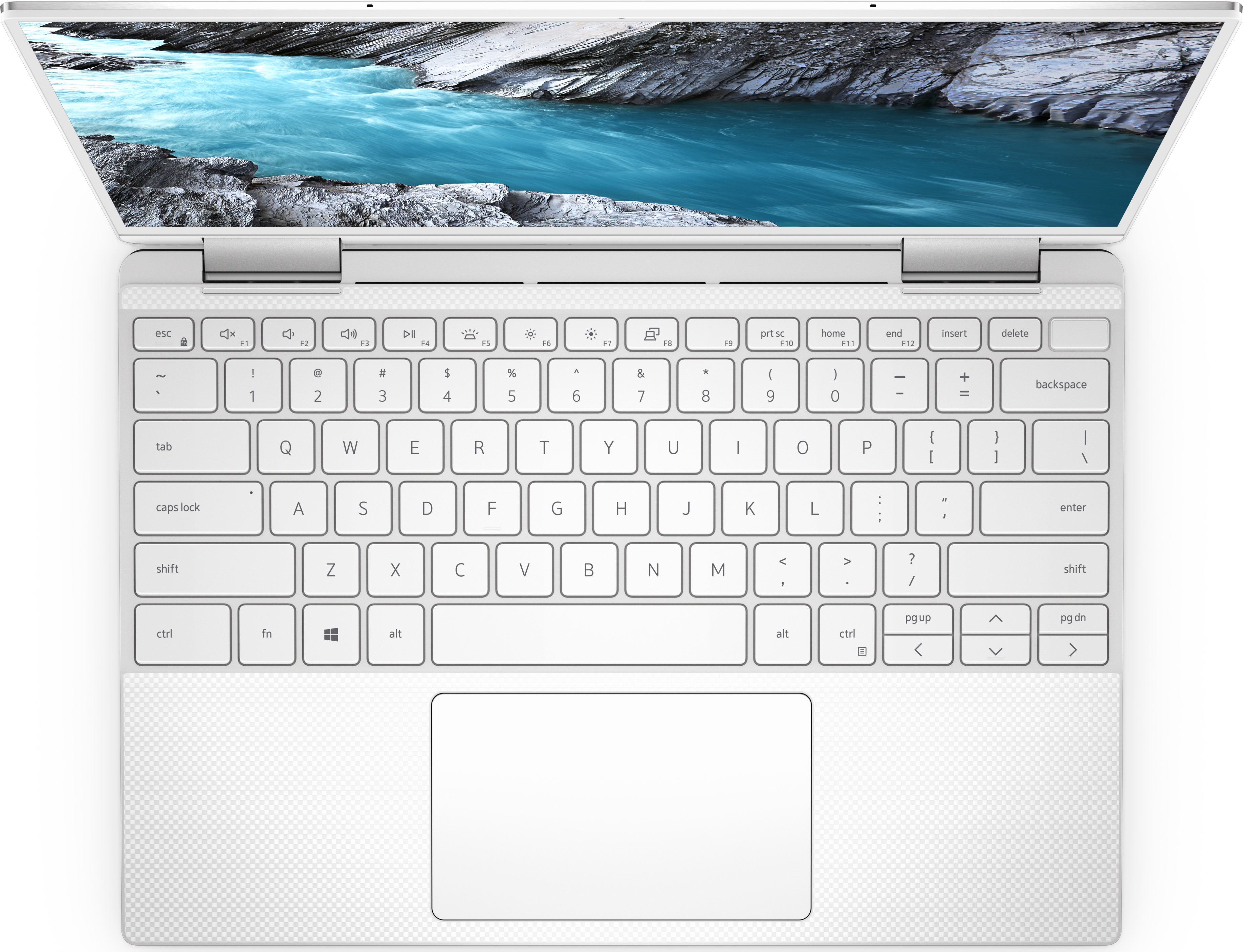
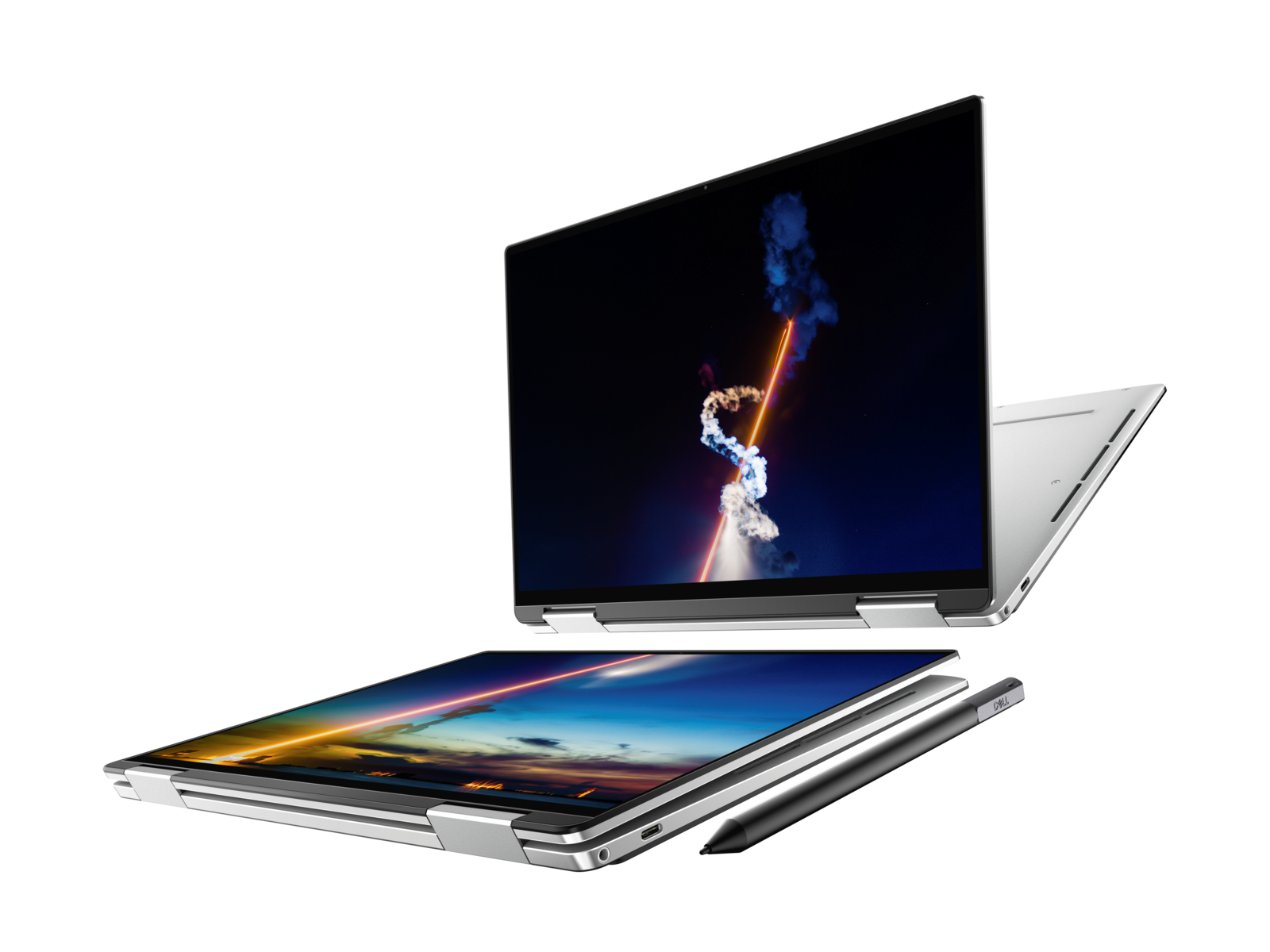
Being one of the most successful convertible laptops on the market, Dell’s 13-inch XPS 2-in-1 is something that seems to be good enough already. But with the help of Intel’s latest 10th Gen Core processors codenamed Ice Lake and Dell’s magic, the new XPS 13 2-in-1 has just got better from all points of view: it is faster, it is sleeker, and it has a better display.

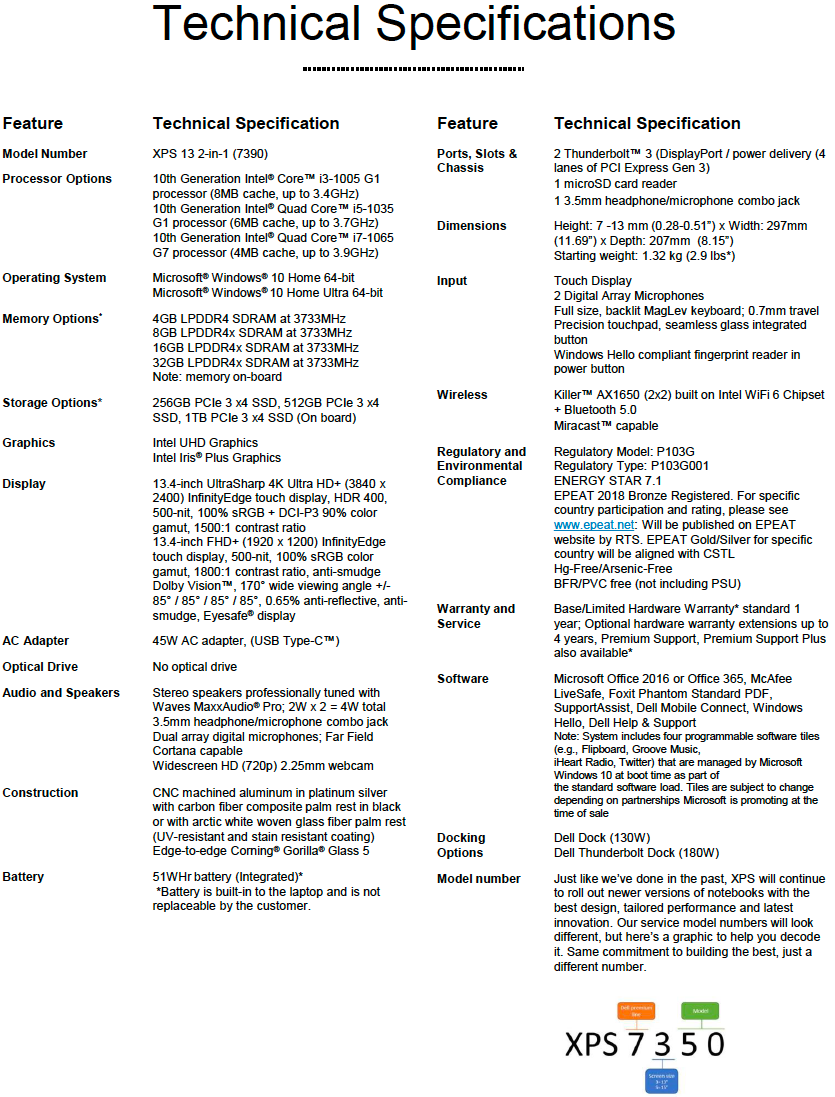
The 2019 Dell XPS 13 7300-series 2-in-1 convertible is based on Intel’s 10th Gen Core platform that features a smaller motherboard and this enabled Dell to make the convertible notebook 7% thinner while making the keyboard and the screen larger. Furthermore, the new PC also has a 51 Wh battery that promises to last for up to 16 hours (real-world battery life will depend on the usage model, of course). The Ice Lake CPU is accompanied by up to 32 GB of DDR4-3733 memory (which is a rather whopping capacity and speed bin for an ultra-thin laptop) as well as a PCIe SSD of up to 1 TB capacity. As far as connectivity is concerned, the system is outfitted with a Killer AX1650 802.11ax Wi-Fi + Bluetooth controller, two Thunderbolt 3 ports, a microSD card reader, a 3.5-mm jack for headsets, speakers, a webcam, and so on.

Featuring a custom 13.4-inch class monitor that is 7% larger than on the previous generation model, the new Dell XPS 13 7300-series 2-in-1 features a Full-HD or Ultra-HD resolution depending on exact SKU. Both types of displays offer 500 nits brightness, a 1500:1 or 1800:1 contrast ratio, wide viewing angles as well as Dolby Vision on the FHD or 90% DCI-P3 on the UHD version.

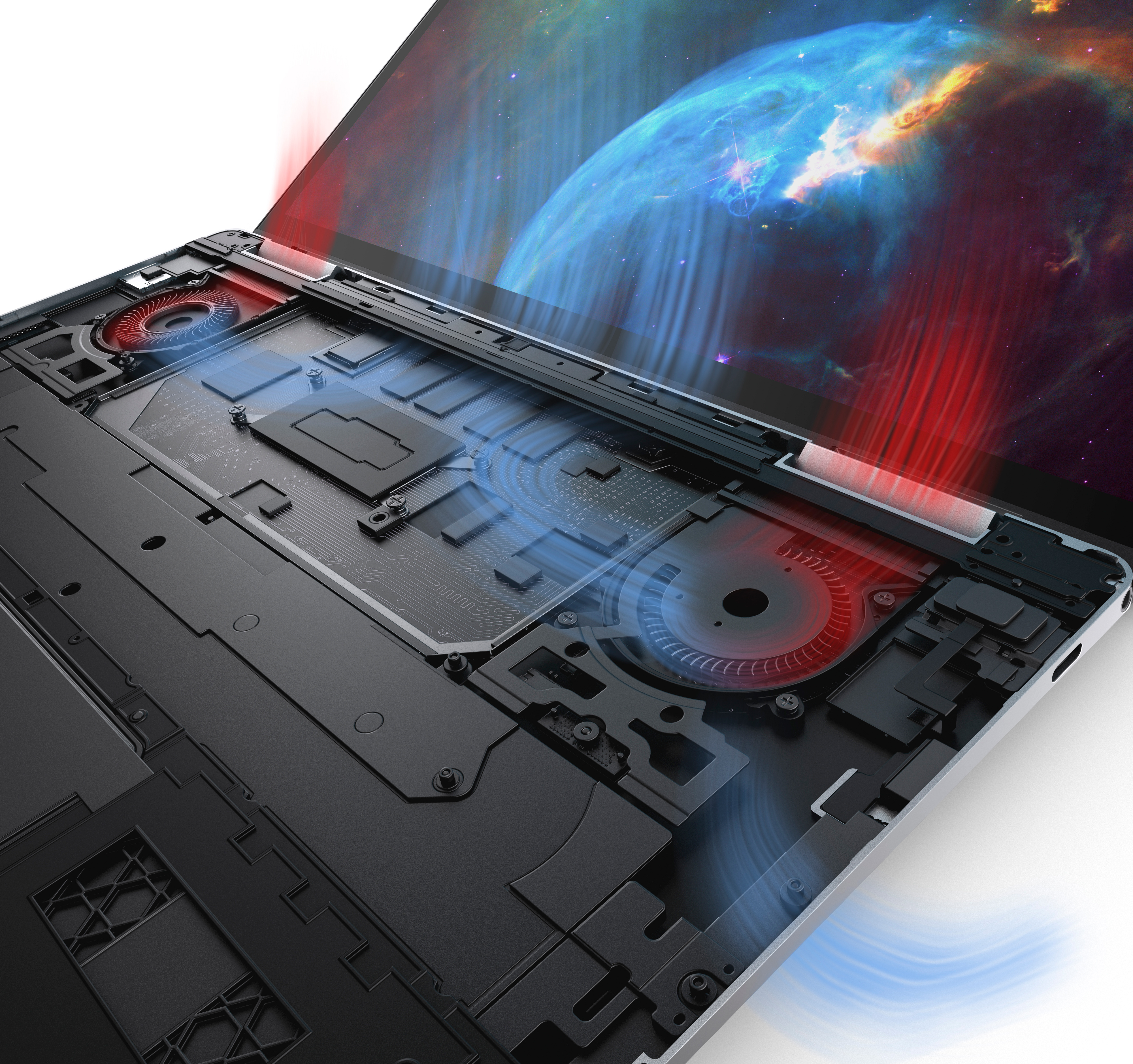
Since we are talking about a hybrid laptop based on Intel’s 10th Gen Core processors codenamed Ice Lake, expect the system to offer tangibly higher graphics performance. Besides, since this is a brand-new platform, so it uses a redesigned cooling system and other internals to maximize performance in a very thin chassis.

The new XPS 13 7300-series 2-in-1 convertibles come in a CNC-machined silver or black aluminum body that has a fiber composite palm rest or an arctic white woven glass fiber palm rest. The new hybrid notebooks feature a 7 – 13 mm z-height and weight starting at 1.32 kilograms (2.9 poinds), which is around 100 grams lower when compared to typical 13-inch class mobile PCs.

Dell’s XPS 7300-series 2-in-1 convertible laptops will be available this year starting at $999.99 for an entry-level model and going up for high-performance SKUs.

Source: Dell’s Press Release

Want to keep up to date with all of our Computex 2019 Coverage?
 
Laptops
 
Hardware
 
Chips
 
Follow AnandTech's breaking news here!

Let's block ads! (Why?)


https://www.anandtech.com/show/14426/when-ice-matters-dell-announces-xps-13-2in1-with-ice-lakeu

2019-05-28 08:00:00Z
52780304831389

2019 Dell XPS 13 2-in-1 7390 is a treasure trove of world firsts - Notebookcheck.net

2019 Dell XPS 13 2-in-1 7390 is a treasure trove of world firsts (Source: Dell)

Vapor chamber, GORE insulation, MagLev keyboard keys, Eyesafe 16:10 DCI-P3 touchscreen, Gorilla Glass 5, and Intel Ice Lake with Iris will be just a few of the unique innovative features coming to the XPS 13 2-in-1 7390 when it launches is less than two months.

The original XPS 13 9365 2-in-1 launched over two years ago in an admittedly stylish design that made the regular XPS 13 9360 look dated. The big catch, however, was that the convertible was limited to the much slower 4.5 W Intel Core Y series for at least a 25 percent performance defecit when compared to the 15 W Kaby Lake Core U series. The delta has become even wider today now that quad-core Kaby Lake-R and Whiskey Lake-U options are commonplace. Fans lamented the performance downgrade and users who wanted a "true" XPS 13 convertible were ultimately left disappointed.

To rectify the issue above, Dell will be introducing the second generation XPS 13 2-in-1 with a completely new design from top to bottom. Several key changes include the move to a new MagLev keyboard inspired by the XPS 15 9575, a unique 13.4-inch 16:10 4K UHD+ (3840 x 2400) Eyesafe display, and even a vapor chamber cooler with dual fans and GORE cooling. All these never-before-seen features will be coming in a chassis that Dell says will be 8 percent thinner than the last generation XPS 13 9365 2-in-1.

Topping off the new hardware features will be a 15 W Intel Ice Lake CPU with optional Iris graphics that should provide immense performance benefits over the 4.5 W Intel Y series on the first generation SKUs and bring the XPS 13 2-in-1 in line with the standard XPS 13 in terms of raw processing power. Dell says its new cooling solution will be able to sustain faster clock rates for significantly longer which is something we'll definitely want to test for ourselves.

We're able to spot a couple of drawbacks on the upcoming convertible based on our short time with the preview unit. Firstly, upgradeability will be limited since the RAM, Killer Wi-Fi 6 module, and even SSD are all soldered onto the board. Secondly, the new system will not run in complete silence because of the two internal fans. The first generation XPS 13 9365 2-in-1 convertible had user-upgradeable M.2 storage and a fan-less design in comparison.

Expect the 2019 XPS 13 2-in-1 7390 to launch on July 10 for a starting price of $1000 USD in the same White and Black color options as the current 9380 series.

Let's block ads! (Why?)


https://www.notebookcheck.net/2019-Dell-XPS-13-2-in-1-7390-is-a-treasure-trove-of-world-firsts.421300.0.html

2019-05-28 07:11:21Z
52780304831389

2019 Dell XPS 13 2-in-1 and XPS 15 Hands-On - Engadget

Let's block ads! (Why?)


https://www.youtube.com/watch?v=THGUyxxuswc

2019-05-28 07:00:04Z
52780304831389

Senin, 27 Mei 2019

Apple exec dismisses Google CEO’s criticism over turning privacy into a ‘luxury good’ - The Verge

Apple’s software chief, Craig Federighi, says he doesn’t “buy into” the criticism that Apple is turning privacy into a luxury good, an accusation that was indirectly leveled at the company by Google CEO Sundar Pichai.

In an interview with The Independent, Federighi dismissed “the luxury good dig,” just a couple weeks after Pichai wrote an op-ed in The New York Times saying that “privacy cannot be a luxury good offered only to people who can afford to buy premium products and services.” While Pichai didn’t name Apple, which has recently advertised the privacy benefits of its $999 phone, there’s no mistaking which company he’s referring to.

Apple wants to sell products to “everyone we possibly could,” Federighi said, adding that Apple’s products are “certainly not just a luxury.” The argument stems over the difference in business models between the two companies: Apple sells generally high-priced hardware directly to customers, so it doesn’t need to collect much data on them; while Google offers a multitude of free services to users, primarily profiting off of ads displayed on those services that are often targeted based on user data. Pichai argued that it’s important to provide privacy-protective services that everyone has access to.

Federighi said it’s “gratifying” to see other companies discussing privacy, but that it’ll take more than “a couple of months and a couple of press releases” to change these companies’ business practices, which rely on data collection. Federighi didn’t name Google specifically, but likewise, it’s pretty clear which company he’s referring to.

In the interview, Federighi also addressed two other criticisms of Apple’s privacy stance: that it shouldn’t be storing Chinese’ users iCloud data in China, where the country could spy on it; and that its choice not to collect much user data has made it fall behind when it comes to develop AI features, like Siri.

On China, Federighi suggests that storing data within the country isn’t as big of a risk for Apple as it would be for other companies, because of “all of our data minimization techniques.” Between encrypting data and collecting a small amount of data in the first place, Federighi says there’s not much to access on its Chinese iCloud servers, and that anyone who does gain access wouldn’t be able to do much with that information.

Federighi also says he sees the choice between collecting data and building powerful new AI features as a “false trade off.” Building these features without collecting additional user data, “sometimes that’s extra work,” he says. “But that’s worth it.”

Apple does that in a handful of ways, according to the report. That includes buying a catalog of public photos it can use to train algorithms on, as well as analyzing publicly available voice data — like podcasts — instead of using voice recordings from users. Apple has also revealed in the past that it uses differential privacy techniques to anonymize user data and learn from the data in aggregate.

The privacy battle between these two companies is unlikely to slow down. Because Apple’s business model doesn’t involve selling ads, privacy is a key area that Apple can use to make its products stand out, which incentivizes the company to keep volleying back at Google.

Google, meanwhile, understands that the cultural tide is turning against massive data collection, largely thanks to Facebook’s constant scandals, and it’s been making small changes to limit some of those concerns. Just this month, that’s included a new easy-to-read privacy policy for Nest devices, limits to ad tracking in Chrome, and Incognito modes for more apps.

Let's block ads! (Why?)


https://www.theverge.com/2019/5/27/18641372/apple-craig-federighi-privacy-criticism-google-luxury-good

2019-05-27 16:18:36Z
52780303793461

Watch AMD's Computex 2019 event in nine minutes! - Engadget

Sponsored Links

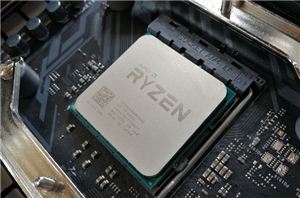
Computex has kicked off in Taipei today, so probably before you were even awake, AMD revealed its ambitious new CPU and GPU hardware additions. It's going after NVIDIA's middle-weight RTX 2070 graphics with the Radeon RX 5700. Not only will it be the first 7nm consumer video cards out there, the series will also tout PCIe 4.0 and GDDR6 memory support, ensuring the cards won't be irrelevant a year or two down the road. Meanwhile, AMD's third-gen Ryzen 9 CPU is a 12-core beast that's priced to shake up Intel's dominance, striking a strong balance between power efficiency, performance, and sheer bang for your buck. Want specific numbers? We've got them for you.

Catch up on all the latest news from Computex 2019 here!

Let's block ads! (Why?)


https://www.engadget.com/2019/05/27/amd-computex-2019-supercut/

2019-05-27 13:10:35Z
52780303506176

Apple could bring dual Bluetooth audio connections to future iPhones - The Verge

For better or worse, wireless audio is slowly becoming the norm for mobile phones and tablets. This has caused a lot of annoyance, but there are benefits, too. One is the ability to send audio signals to two separate Bluetooth devices simultaneously. Some Samsung phones can already do this, and according to a rumor from Japanese blog Mac Otakara (spotted via Mac Rumors), Apple might be bringing the feature to future iPhones as well.

Being able to connect to more than one Bluetooth device can be helpful in a range of scenarios. You might want to connect your phone to your car’s audio system to give GPS instructions while also playing music through earphones, for example. Or, you and a friend might want to watch a film on a long journey. Being able to connect to multiple sets of headphones would allow you both to enjoy the full audio experience. (In fairness, if you have a device with a 3.5 mm jack you can just use a headphone splitter for the same affect.)

Samsung’s dual wireless audio feature is available on a handful of devices, and requires Bluetooth 5.0 to function. As Mac Rumors points out, if Apple implements dual audio in the same way, it could bring the functionality to older iPhones that support Bluetooth 5.0 (including the iPhone 8, iPhone X, and iPhone XS) via a software update.

But, don’t get your hopes up too high as the sourcing of this rumor isn’t amazing. Mac Otakara cites a supply chain source, but doesn’t say which iPhone model might be getting the feature. We’ll have to wait a bit longer to see what happens next.

Let's block ads! (Why?)


https://www.theverge.com/circuitbreaker/2019/5/27/18641194/apple-dual-bluetooth-audio-connections-iphone-rumor

2019-05-27 09:25:24Z
52780303793461